Elizabethan London

Elizabethan London
Tyburn was an infamous execution spot west of London, used since medieval times. The Tyburn "tree" - a unique, multi-person gallows - erected in 1571 became a popular public spectacle, drawing crowds of thousands.Tyburn Tree blog is less blood-thirsty but hopefully topical, interesting and informative, if slightly bent to my personal topics of interest - books, writing, history, technology, with a smattering of politics and dash of pop culture, science and the downright strange. So "take a ride to Tyburn" and see what happens...

Friday, February 14, 2020

Valentine's Week Sale!

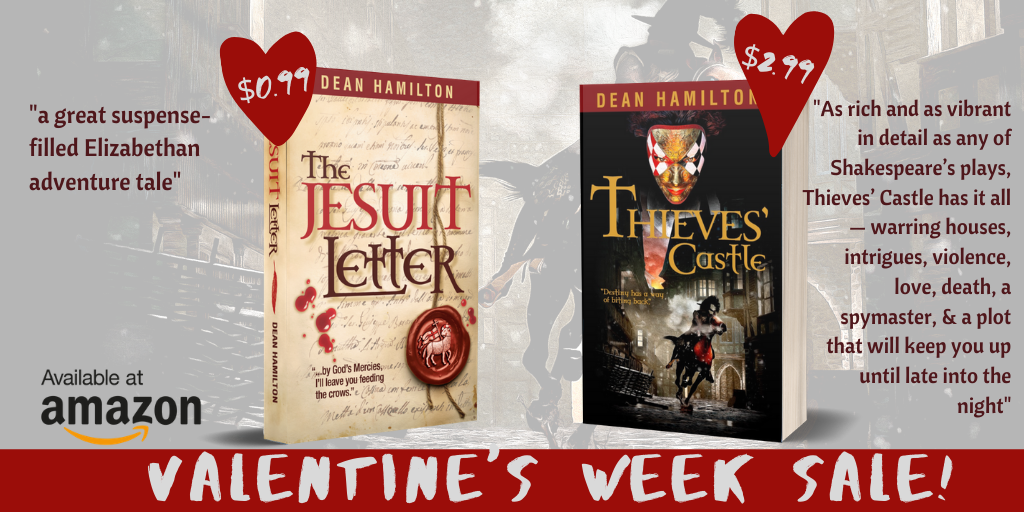
Valentine's Week Sale! Give your loved ones the gift of Elizabethan mystery and mayhem!

THE JESUIT LETTER is only $.99 & the newly released THIEVES' CASTLE is half-price! #ValentinesDay #histfic #kindledeals

https://amzn.to/2Oj0DVt
https://amzn.to/2m6u6GX

As an added bonus, BLACK DOG, my novella, is FREE! "A richly detailed window into the rough and violent world of Elizabethan London"

https://amzn.to/38tlrlc


Thursday, December 5, 2019

Honourable Mention!

Hey!

I received the CoffeePot Book Club Historical Fiction Book of the Year Honourable Mention for THIEVES' CASTLE!

That's amazing, especially given the week I've been having so far.

I will be cracking open something alcoholic to celebrate, but not until this flu is out of my system, I just don't have the energy for it right now.

Thank you Mary Anne Yarde and @coffeepotbookclub!


Wednesday, November 20, 2019

FREE eBook Download - Nov 20-24


Looking for something to read over the holidays? 

Or just something that isn't about the Impeachment hearings?


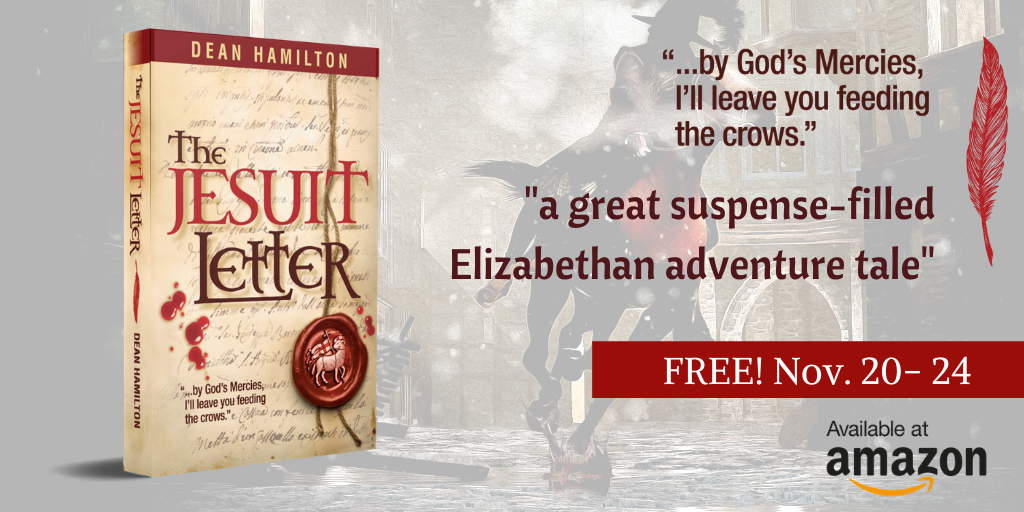
THE JESUIT LETTER is FREE for download on Amazon Kindle from Nov 20 -24!

Go and enjoy some fabulous historical fiction filled with Elizabethan treachery, swordplay and Shakespeare!


Monday, September 30, 2019

SALE!


Sale heads-up! 

October 1-6th, you can grab The Jesuit Letter for just $.99, & Black Dog is available FREE!

Be sure to pick-up my new book Thieves' Castle as well to complete your set!

https://amzn.to/2m8Ey10

#histfic


Friday, September 20, 2019

Word on the Street!

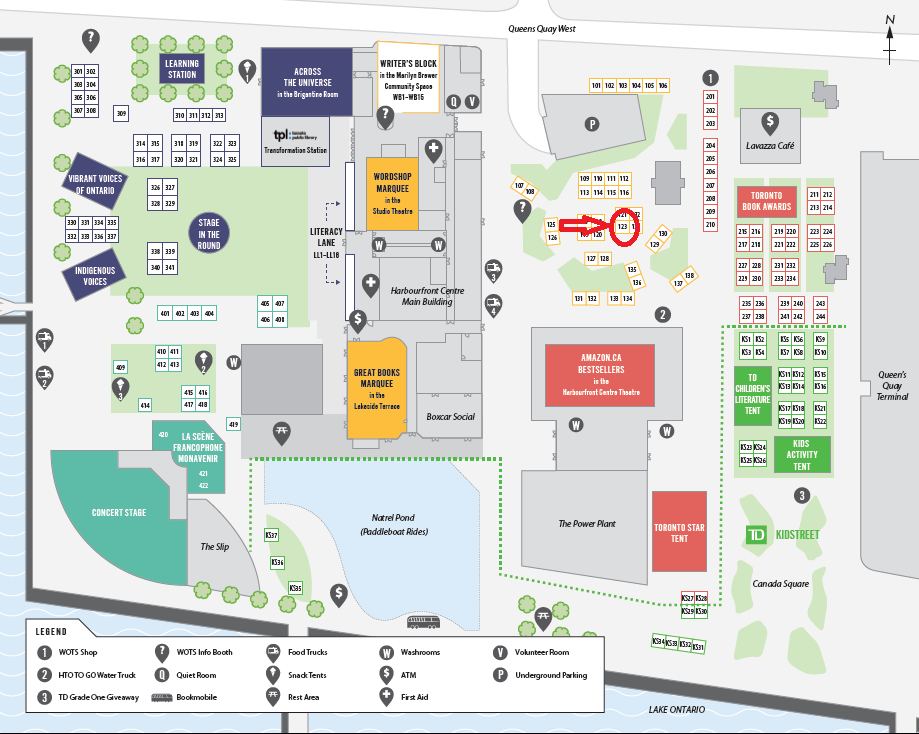
Where you can find me on Sunday Sept 22!

The Word On the Street Book Festival
Harbourfront, Toronto!
10 am - 5 pm
Booth 123C!

#Toronto! #Harbourfront! #torontoWOTS

#HistFic #books #indieauthors

Tuesday, September 17, 2019

"a bridge of stone eight hundred feet in length, of wonderful work"

A Bridge for the Ages: London Bridge in the Time of Tudors

The most prominent geographical feature of London has always been the River Thames, and consequently, one of the most important and storied places in London has been that singular point of river crossing – London Bridge. Part transportation route, part linchpin for the storied city’s economy, history and social development, London Bridge is an iconic location.

Extant in multiple forms since the Roman’s first threw a makeshift pontoon bridge over the river in 52 CE, the bridge has seen many variations and changes over the centuries. The Saxons recorded throwing a witch off the structure in 730 AD, in all probability not the first nor the last to meet their deaths in the cold waters below.

Torn down, burnt, repaired, destroyed, swept asunder by floodwaters and invaders, it lacked any real permanence until the late 12th C when it was finally re-built in Kentish rag-stone. Stretching almost 900 feet in length, a series of stone arches were built upon 19 starlings set into the river bed. The bridge was an estimated 30 feet in width and was home to a chapel (the Chapel of St Thomas on the Bridge, dedicated to Thomas Becket, the martyred Archbishop of Canterbury), a drawbridge, several defensive gatehouses, a public latrine, watermill and by 1338, more than 138 shops.

By the Tudor era, the number of shops had risen to more than 200, with buildings towering almost seven stories in places, including rooftop “penthouses” and river terraces in the more expensive abodes.  John Stow’s “Survey of London” (published in 1598) noted “large, fayre and beautifull buildings, inhabitants for the most part, rich Marchantes, and other wealthie Citizens, Mercers and Haberdashers.”


--For more of my article on the history and significance of London Bridge in the time of Tudors, please head on over to the English Historical Fiction Authors blog!

https://bit.ly/2lYFzIi

Sunday, September 8, 2019

Capturing Time and Place in a Sentence

I’m guest-posting on the incredible blog of @MatthewHarffy, author of the sword-swinging Bernicia Chronicles. I’m looking at insights into how to make a historical setting real & engaging.

One of the challenges in writing historical fiction, is the effort to capture a setting.  How do you write believably about an era that is long vanished in time? How do you make that setting come alive, in a realistic and accurate way? How does that setting drive the story, characters actions and choices, and how do they interact with that world?
THIEVES’ CASTLE, my new book, is set in the Elizabethan era in 1576 in London. Most fiction embedded in the Elizabethan era tends to be tales of Court intrigue, set amidst the silken splendor of palaces.  Mine tends to hang about in ale-soaked taverns, muddy streets and fetid back-alleys where cold-steel by lantern light offers redemption or grim death by turns…
Read the rest at:

http://bernicia-chronicles.blogspot.com/2019/09/guest-post-capturing-time-and-place-in.html

#HistoricalFiction #histfic #WritingCommunity