Tyburn was an infamous execution spot west of London, used since medieval times. The Tyburn "tree" - a unique, multi-person gallows - erected in 1571 became a popular public spectacle, drawing crowds of thousands.Tyburn Tree blog is less blood-thirsty but hopefully topical, interesting and informative, if slightly bent to my personal topics of interest - books, writing, history, technology, with a smattering of politics and dash of pop culture, science and the downright strange. So "take a ride to Tyburn" and see what happens...
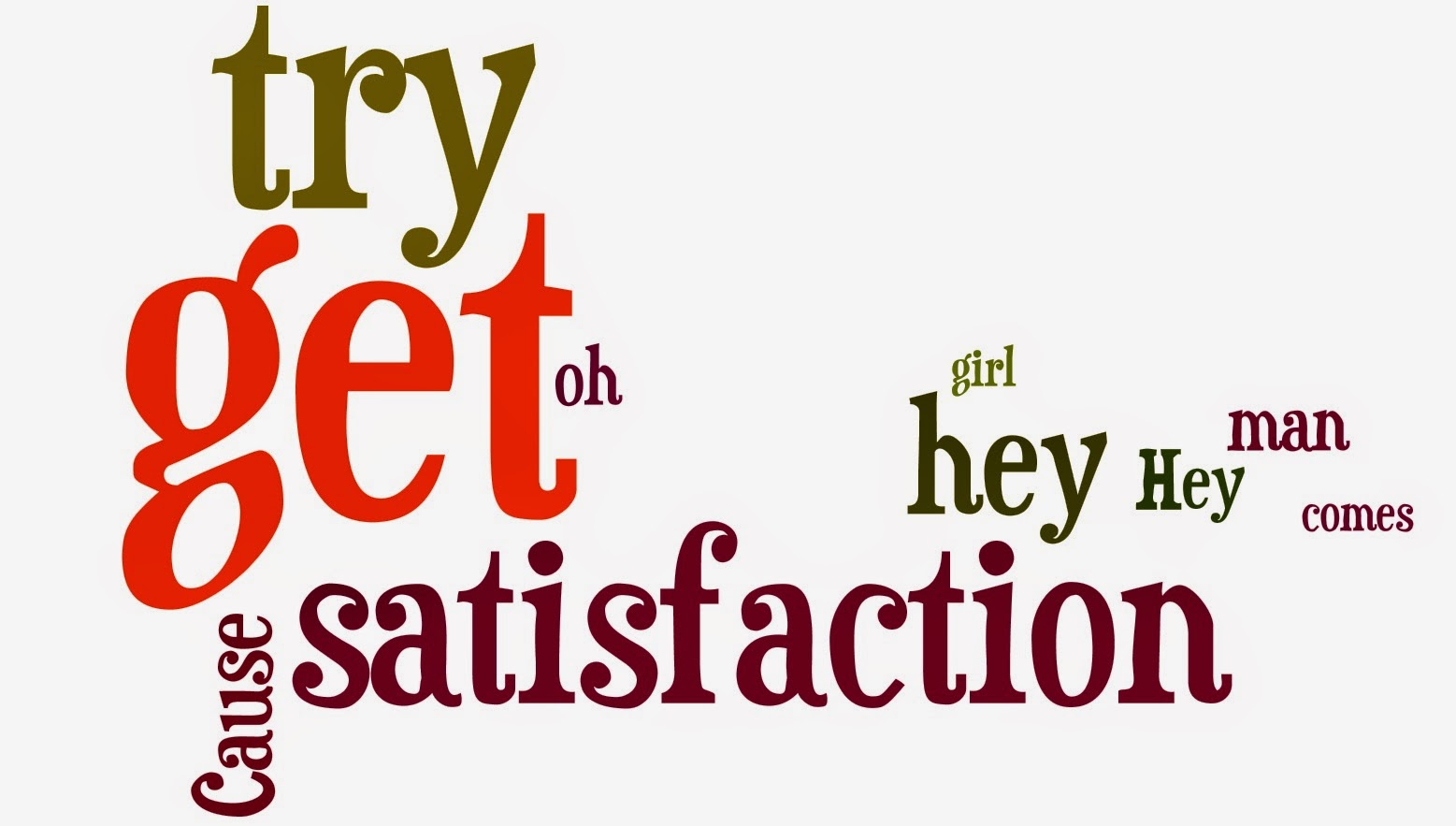
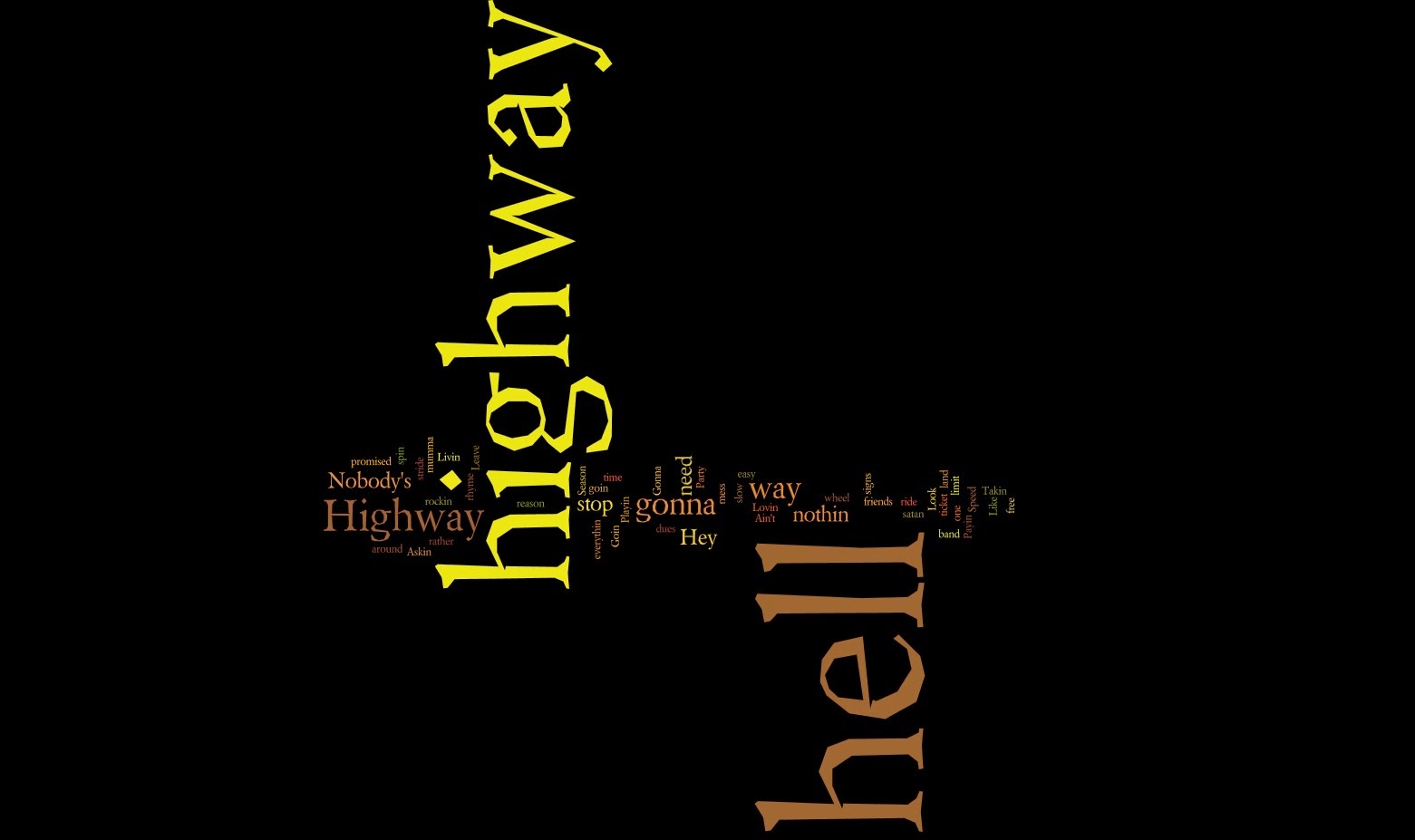
I ran across a nice word cloud generator online (www.wordle.net) Being unable to resist tinkering with every strange online tool I run across, by way of experiment I dropped in some song lyrics...
I was watching The Hangover 2 on the weekend and one piece of music they played during the show struck me.
The song was Billy Joel's Downeaster Alexa. It seemed a strange song to encounter in The Hangover 2. I assume they used it for atmosphere around transitioning the film from the US to Thailand but the story being told in Downeaster Alexa seemed somewhat at odds with the chaotic and lurid ramble of The Hangover.
What struck me was how effective songs are at storytelling. Songs by their nature convey a great deal of their emotional content and mood via the music however like poetry, the lyrics need to convey the picture, character, setting and conflict in very tight, often restrictive formats. The result is powerful, evocative writing, often pared down to the most basic and foundational elements.
Downeaster Alexa lays out story of trying to eke a living as a commercial fisherman on the rugged north-east coast of the United States.
It sets the high water mark for the loss of home, tradition, and livelihood - all driven down due to the cost of living, property, loss of fish, and restrictions.
The story culminates with the realization that it can't continue, that the life that was, is no longer.
I was a bayman like my father was before Can't make a living as a bayman anymore There ain't much future for a man who works the sea But there ain't no island left for islanders like me
There are a number of songwriters who seem to double as story-tellers. Some might claim that all songs are designed to communicate a specific story or an emotional state but I don't necessarily agree. A strong storyline for a song implies something beyond just rhythm and repetition. When I think of songs that evoke a strong story, I tend to think of songs with genuine nuanced character like Neil Young's Unknown Legend:
Somewhere on a desert highway She rides a Harley-Davidson Her long blonde hair Flyin' in the wind
Robbie Robertson's song Somewhere Down the Crazy River pulls character and setting out of the first section with vivid spark and verve:
Yeah, I can see it now The distant red neon shivered in the heat I was feeling like a stranger in a strange land
Springsteen's Promised Land does the same, painting a picture of bleak economic hardships and loss, coupled with an ongoing flicker of hope.
On a rattlesnake speedway in the Utah desert I pick up my money and head back into town
One element that all the artists cited seem to have in common is purposefulness. Nothing in the songs appears to be filler or fluff, each lyrical element seems tightly held in exactitude and care. Song lyrics require that description be pared down to elemental essentials.
As a writer, I suspect many of us could take similar lessons from lyricists in our editing and our prose. Cutting the non-essential, paring down to the impactful elements that drive setting, character, situation and emotion. Ernest Hemingway famously wrote a six word short story:
For sale: baby shoes, never worn.
It is said he called it his best work. I suspect he would have made a good lyricist.

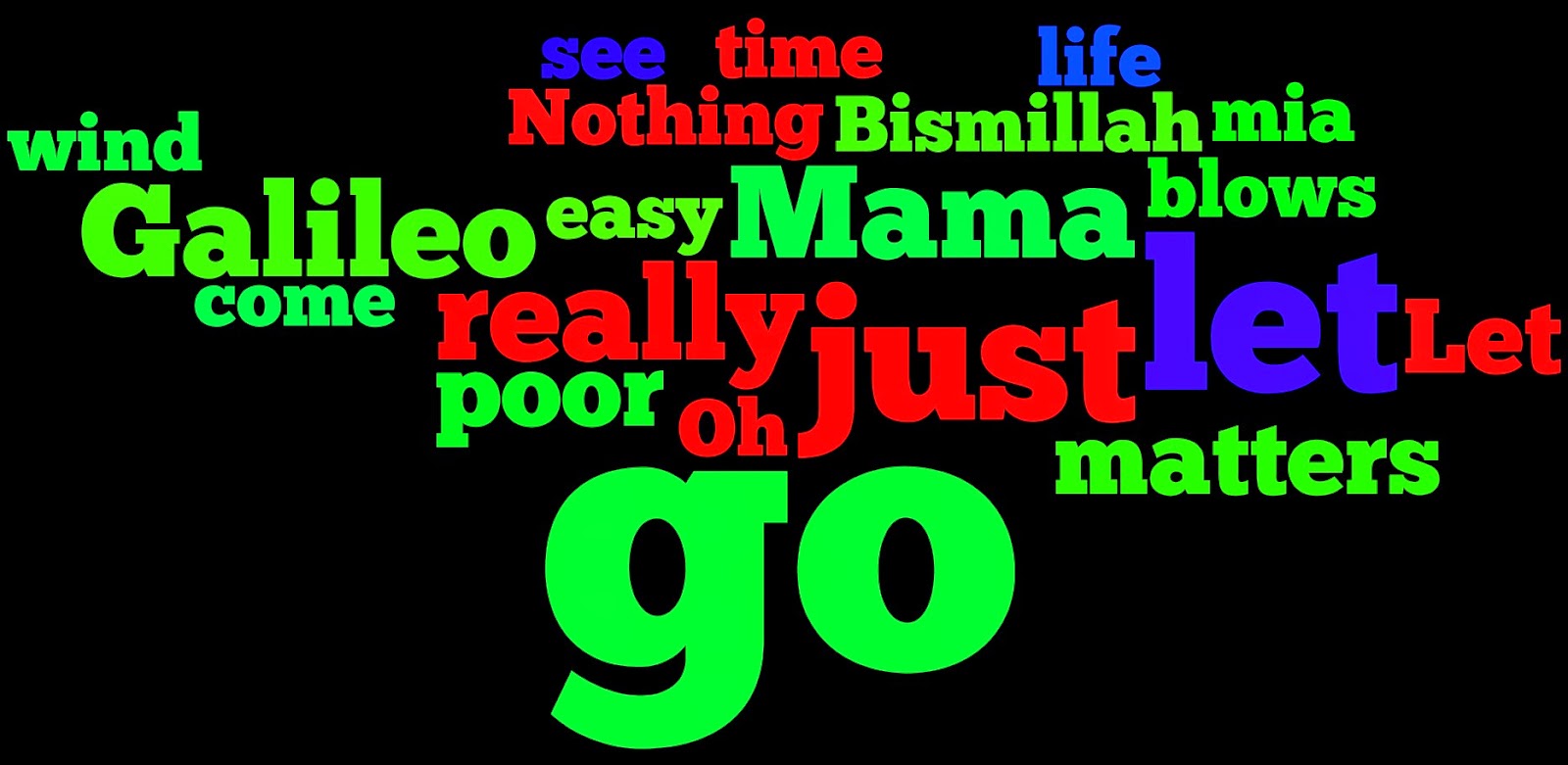 Mix in a bit of Queen...