Just are reminder, I'm entered in the Reclaim Time Inkitt writing contest! If you can, please give my 10,000 word Elizabethan novella a read (You will enjoy it! I promise!) and cast a vote.
Only the the top 10% of entries go forward to the judges round, so please help me get into that top 10% by casting your vote!
All votes need to be submitted by September 24th!
"No one wants to run afoul of London’s most notorious prison rooker, the Black Dog.
Now Kit Tyburn must pursue his secrets to free his friend, but you don’t stalk the Black Dog without consequences…."
Thanks!
http://www.inkitt.com/stories/15411
Elizabethan London

Sunday, August 30, 2015

Tuesday, August 11, 2015

Reclaim Time
Inkitt has a new historical fiction writing competition running and BLACK DOG is back in contention!

No one wants to run afoul of London’s most notorious prison rooker, the Black Dog.
Now Kit Tyburn must pursue his secrets to free his friend, but you don’t stalk the Black Dog without consequences….
http://www.inkitt.com/stories/15411
Please read my 10,000 word Elizabethan novella (You will enjoy it! I promise!) and cast a vote.
Only the the top 10% of entries go forward to the judges round, so please help me get into that top 10% by casting your vote!
All votes need to be submitted by September 24th!
Thanks!

No one wants to run afoul of London’s most notorious prison rooker, the Black Dog.
Now Kit Tyburn must pursue his secrets to free his friend, but you don’t stalk the Black Dog without consequences….
http://www.inkitt.com/stories/15411
Please read my 10,000 word Elizabethan novella (You will enjoy it! I promise!) and cast a vote.
Only the the top 10% of entries go forward to the judges round, so please help me get into that top 10% by casting your vote!
All votes need to be submitted by September 24th!
Thanks!
Monday, August 10, 2015

Thursday, August 6, 2015
Summertime
Lacking the time (or the dollars) for a trip this summer, I'm "stay-cationing" with some urban hiking and hitting local spots. It's amazing how little I actually knew about some of the places nearby.
Toronto Islands:



Elvis at the Falls: (really, it was him!)

Toronto Islands:

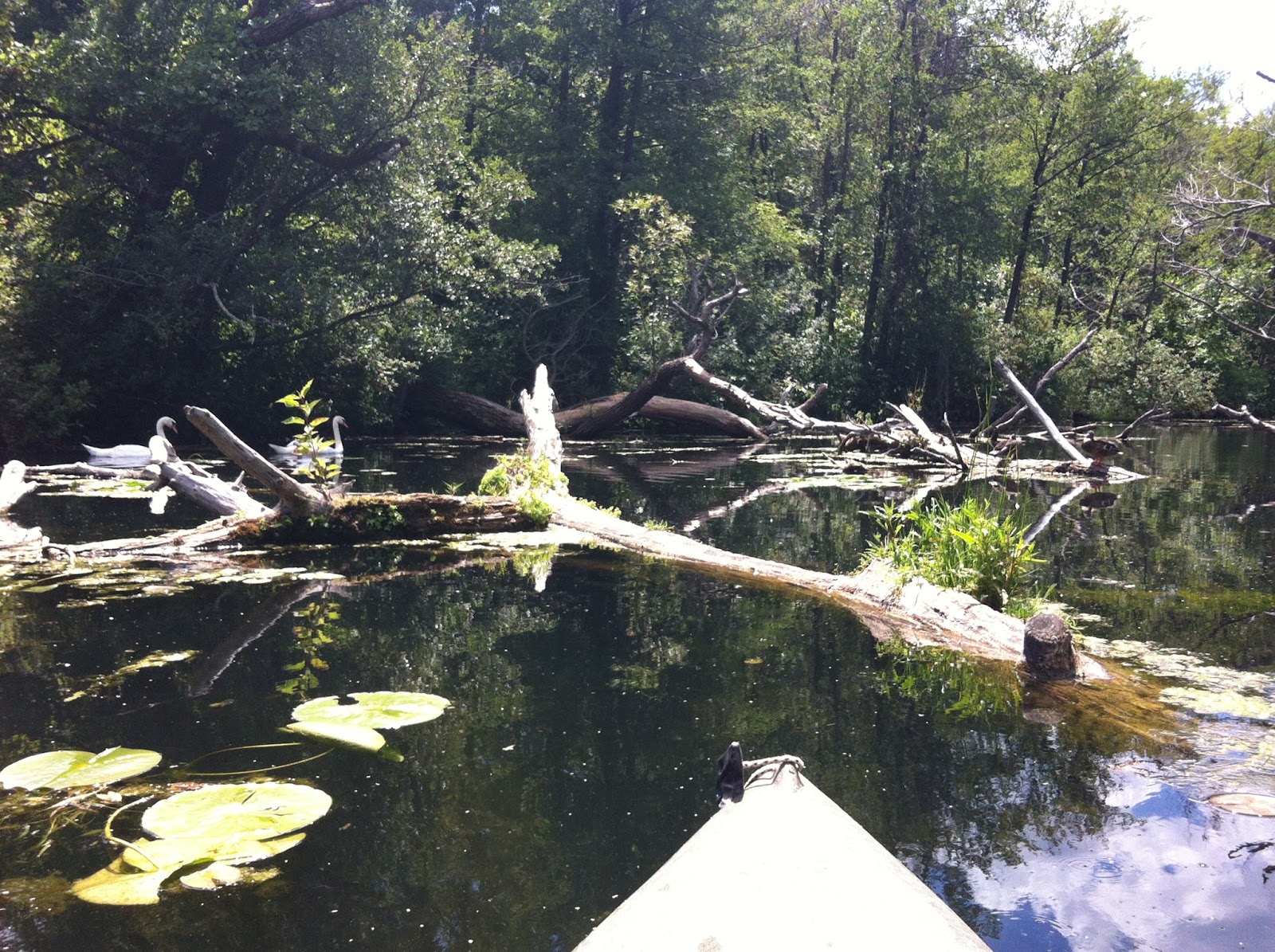


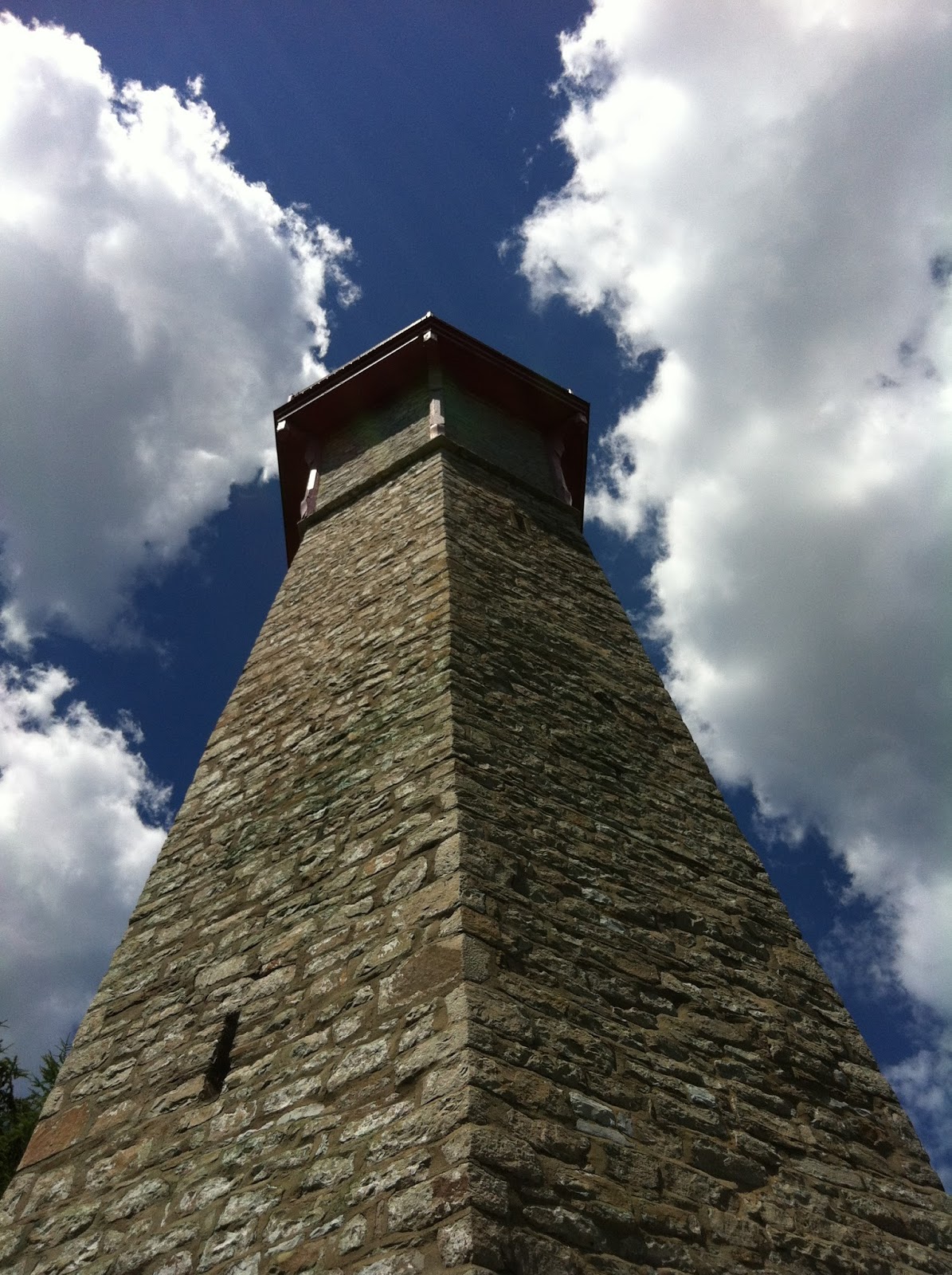

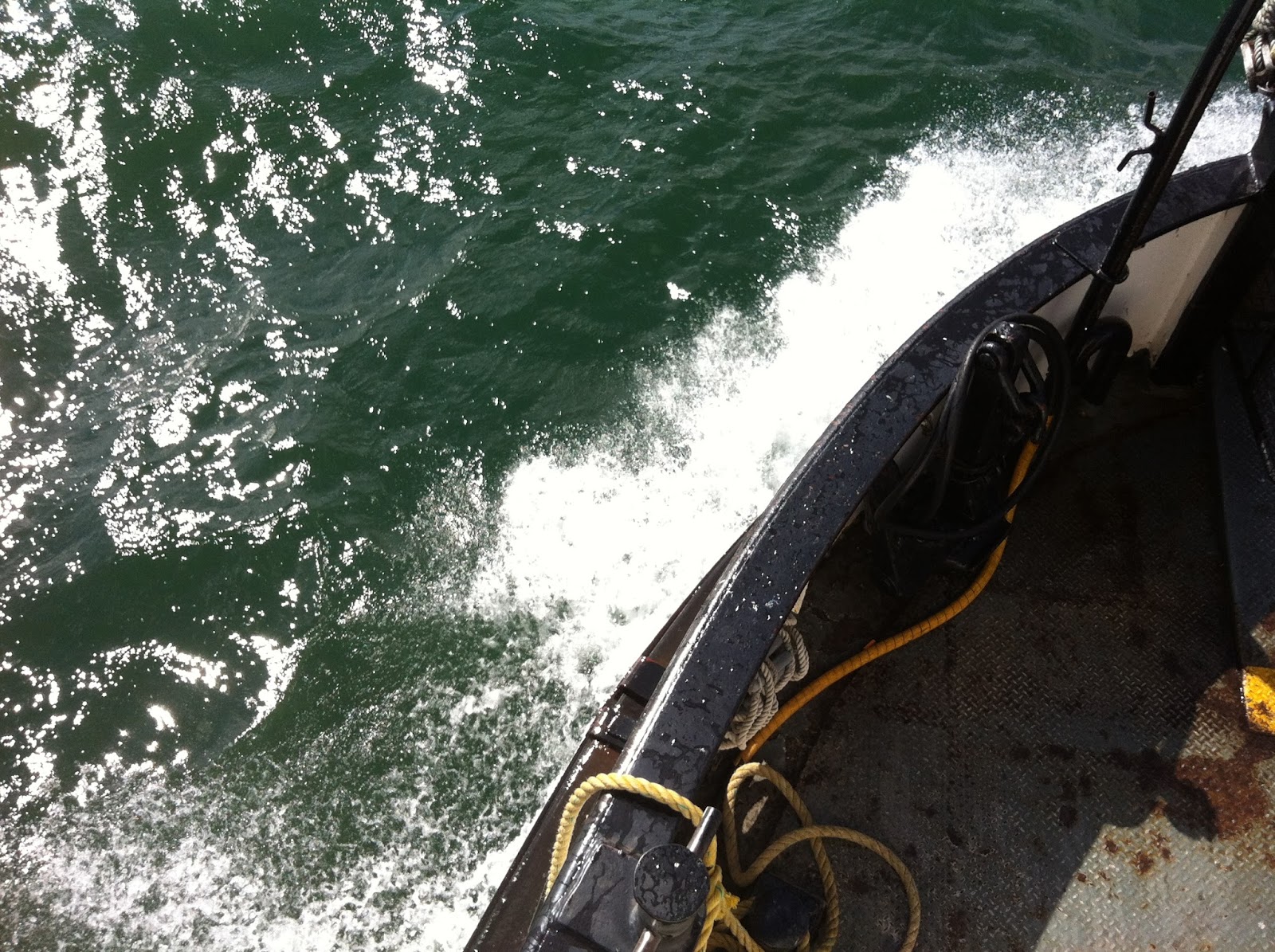
Sunnyside Beach

Niagara Gorge

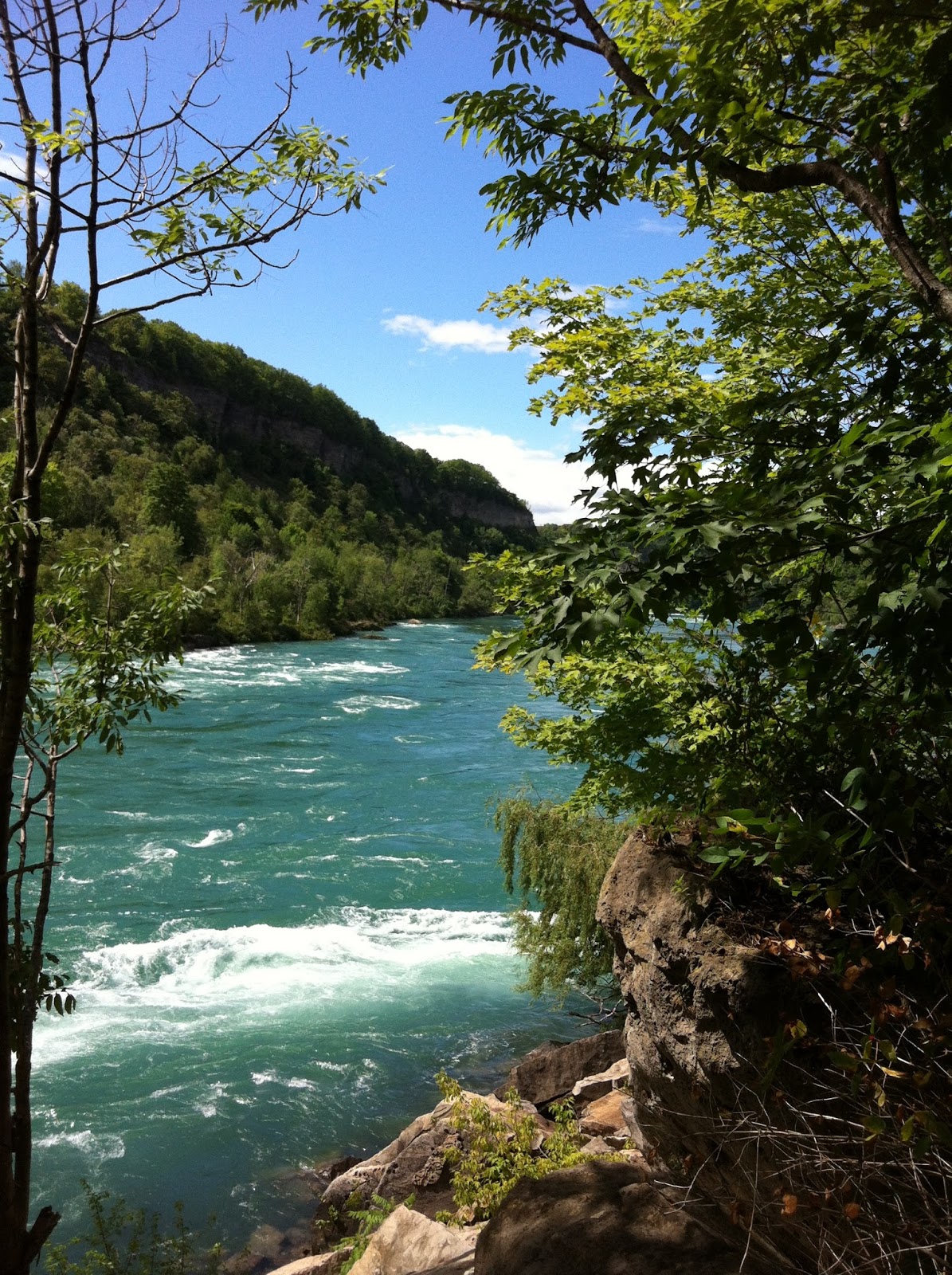
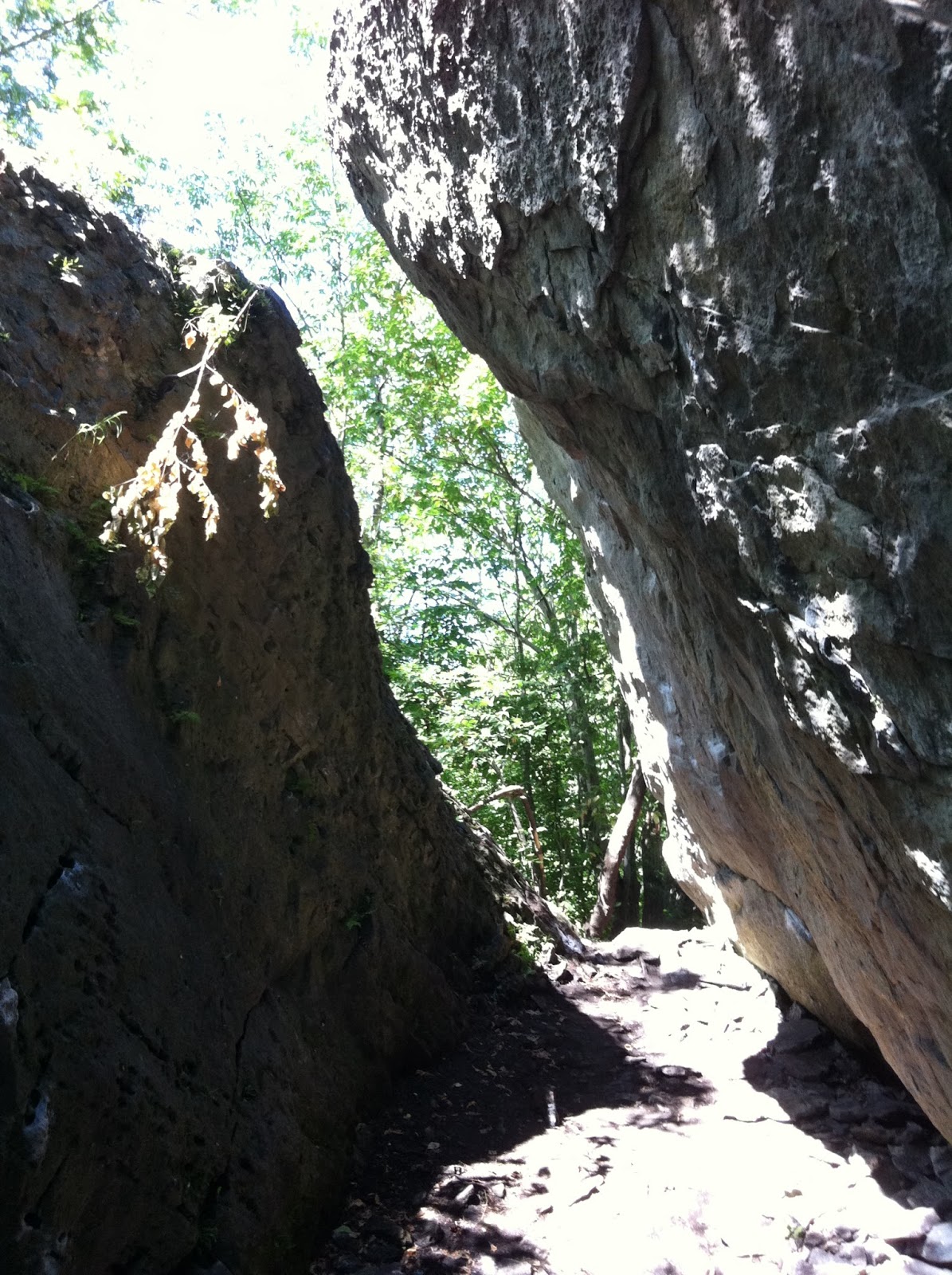
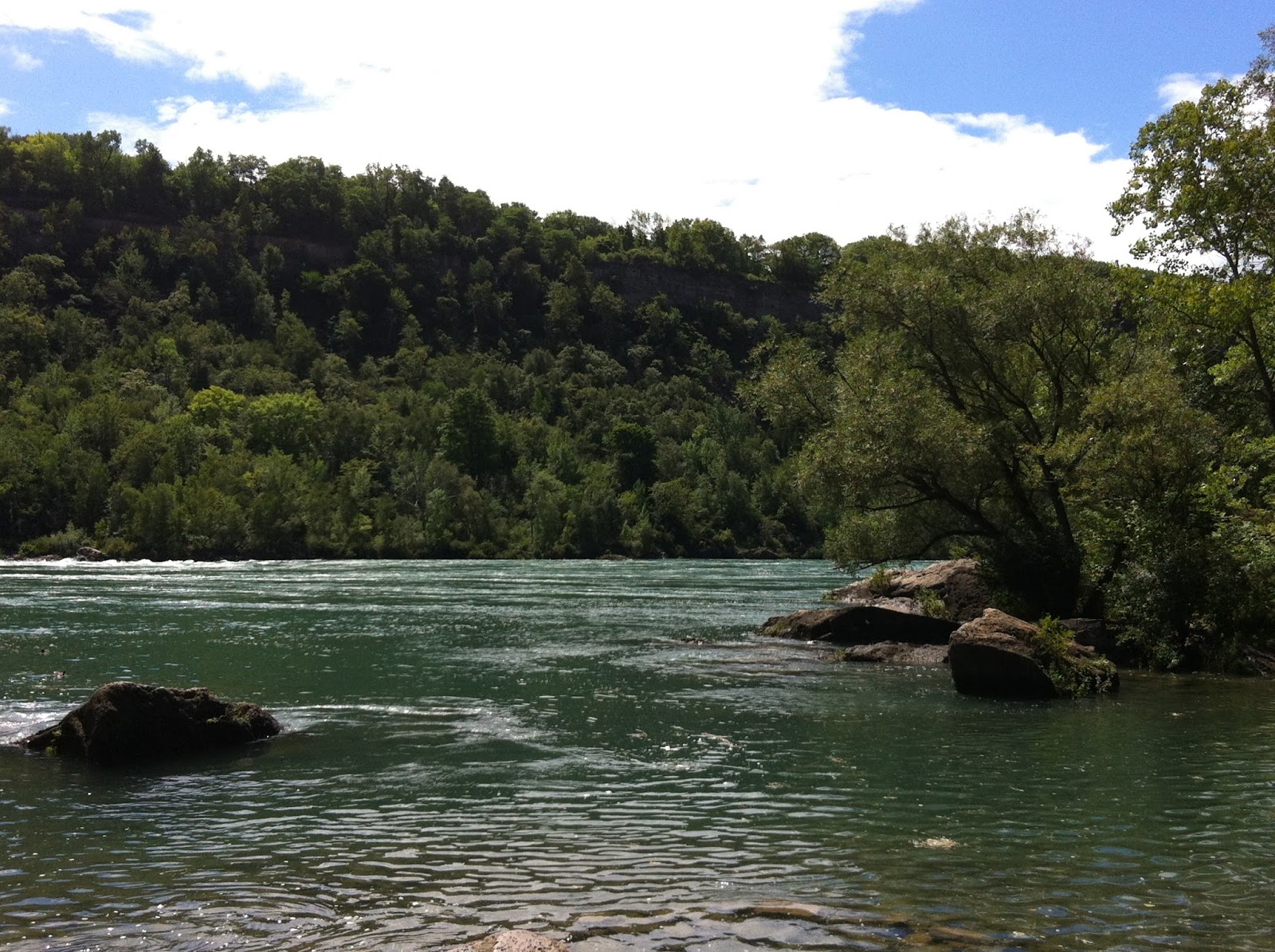
Elvis at the Falls: (really, it was him!)

Saturday, July 18, 2015
Inkitt Editor's Pick: Black Dog
This is exciting! Alexandra MacDonald, Editor at Inkitt.com has selected "Black Dog" as an Inkitt Editor's Pick!
Here's her feedback (via email, and I hope she doesn't mind me publicly quoting her):
"Black Dog is a gripping, gritty period piece. Historical literature often falls flat but you have managed to write an engaging story with a wonderfully executed plot. The world your narrative creates feels natural, the character interactions feel genuine, and your approach toward drama within that period translates very well to modern readers."
Great news, great feedback and great way to start my day!
If you haven't read "Black Dog" yet, harken on over to http://www.inkitt.com/stories/15411 and enjoy.
Here's her feedback (via email, and I hope she doesn't mind me publicly quoting her):
"Black Dog is a gripping, gritty period piece. Historical literature often falls flat but you have managed to write an engaging story with a wonderfully executed plot. The world your narrative creates feels natural, the character interactions feel genuine, and your approach toward drama within that period translates very well to modern readers."
Great news, great feedback and great way to start my day!
If you haven't read "Black Dog" yet, harken on over to http://www.inkitt.com/stories/15411 and enjoy.
Friday, June 26, 2015
Visualizing History
Anyone that knows me, knows I have an insidious interest in history. It weaves in and out of my life, drives my entertainment choices, my reading and my writing.
I get genuinely excited about things like the recent 200th anniversary of the Battle of Waterloo, or some new bit of Elizabethan slang that I run across. I am more than capable of boring the Hell out of people at parties.
It drives me to wander cities I visit, in an effort to retrace history and to trace the steps of all the ghosts that permeate the place. I went to Paris in my teens on a school expedition. In our limited free time, while most of our group were shopping, I was meandering the back streets of the Latin Quarter in the pouring rain, slipping on cobbles and catching a tantalizing glimpse of a history that was, to an uncultured teenager, like a different world seen across a vast gulf of time and experience.
It's a strange addiction.
Anything that can help shed light on that distant, yet strangely close, echo of the past, tends to attract my attention.
Lately I've run across a number of visualizations that helped scale and interpret the past. I like visualizations. When used properly, they help take the often dry reams of data and leverage them into a story of an event, a tale worth telling. Visualizations aren't just pretty graphs or data being arranging in interesting ways, the purpose of a good visualization is insight.
A strong visualization helps tell a story, in a memorable and thought-provoking way that hopefully let's you look at the world in a different light.
On occasion it leads into the dark.
Here's a couple of brilliant visualizations that help create a lasting and thoughtful look at a couple of historical events.
The first is Neil Halloran's The Fallen of World War II:
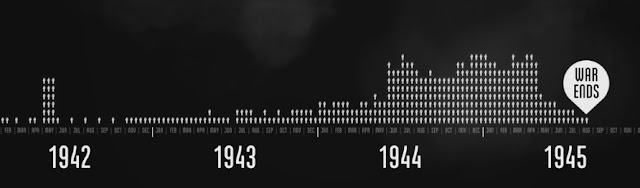
Halloran has pulled together a brilliant visualization of the casualties of Wold War 2 in what ends up being a riveting 18 minute video that provides better scale and coherence of the shape of the war and how it still resonates through the international structure today. One look at the casualty figures for the USSR instantly clarifies the Russian's reactive defensive and somewhat xenophobic foreign policy.
The second notable visualization is Slate's The Atlantic Slave Trade in Two Minutes. This visualization compresses the information on the voyages cataloged in the Trans-Atlantic Slave Trade Database into an astonishing and devastating 2-minute look at 315 years and 20,000 ships worth of trafficking in human chattels. You can watch 3 centuries of horror flow across the map, select a dot, and find out just what that single pixel represented. Here's an example:

Particularly telling is the fate of the cargo. The Sainte Agnes departed with 505 slaves aboard, but only arrived with only 331. 174 people vanished into the waters of the Atlantic.
On a somewhat more optimistic note, here is Hans Rosling's 200 Countries, 200 Years, tracing the development and growth of the world and world health over the last two centuries.
History is about understanding the present, far more so than it is about understanding the past. You can't look at events happening today in a narrow perspective. Understanding the history that lies beneath can be bitter, but necessary, and you cannot speak to events in the world without having a hint as to the painful and often terrible steps we have taken to arrive at this juncture.
I think history is an addiction worth having and kudos to the designers, artists and thinkers that can bring it into this kind of thought-provoking life.
I get genuinely excited about things like the recent 200th anniversary of the Battle of Waterloo, or some new bit of Elizabethan slang that I run across. I am more than capable of boring the Hell out of people at parties.
It drives me to wander cities I visit, in an effort to retrace history and to trace the steps of all the ghosts that permeate the place. I went to Paris in my teens on a school expedition. In our limited free time, while most of our group were shopping, I was meandering the back streets of the Latin Quarter in the pouring rain, slipping on cobbles and catching a tantalizing glimpse of a history that was, to an uncultured teenager, like a different world seen across a vast gulf of time and experience.
It's a strange addiction.
Anything that can help shed light on that distant, yet strangely close, echo of the past, tends to attract my attention.
Lately I've run across a number of visualizations that helped scale and interpret the past. I like visualizations. When used properly, they help take the often dry reams of data and leverage them into a story of an event, a tale worth telling. Visualizations aren't just pretty graphs or data being arranging in interesting ways, the purpose of a good visualization is insight.
A strong visualization helps tell a story, in a memorable and thought-provoking way that hopefully let's you look at the world in a different light.
On occasion it leads into the dark.
Here's a couple of brilliant visualizations that help create a lasting and thoughtful look at a couple of historical events.
The first is Neil Halloran's The Fallen of World War II:
Halloran has pulled together a brilliant visualization of the casualties of Wold War 2 in what ends up being a riveting 18 minute video that provides better scale and coherence of the shape of the war and how it still resonates through the international structure today. One look at the casualty figures for the USSR instantly clarifies the Russian's reactive defensive and somewhat xenophobic foreign policy.
The second notable visualization is Slate's The Atlantic Slave Trade in Two Minutes. This visualization compresses the information on the voyages cataloged in the Trans-Atlantic Slave Trade Database into an astonishing and devastating 2-minute look at 315 years and 20,000 ships worth of trafficking in human chattels. You can watch 3 centuries of horror flow across the map, select a dot, and find out just what that single pixel represented. Here's an example:

Particularly telling is the fate of the cargo. The Sainte Agnes departed with 505 slaves aboard, but only arrived with only 331. 174 people vanished into the waters of the Atlantic.
On a somewhat more optimistic note, here is Hans Rosling's 200 Countries, 200 Years, tracing the development and growth of the world and world health over the last two centuries.
History is about understanding the present, far more so than it is about understanding the past. You can't look at events happening today in a narrow perspective. Understanding the history that lies beneath can be bitter, but necessary, and you cannot speak to events in the world without having a hint as to the painful and often terrible steps we have taken to arrive at this juncture.
I think history is an addiction worth having and kudos to the designers, artists and thinkers that can bring it into this kind of thought-provoking life.
Subscribe to:
Posts (Atom)