
 The Tudors by acclaimed British author Peter Ackroyd is the second volume in his new History of England series, although reading the first book (Foundation) is by no means necessary Ackroyd's highly readable, engaging review of the reigns of the corpulent and much-wedded Henry VIII, Bloody Mary and Elizabeth I (interrupted albeit briefly by Henry VII's son Edward VI's six year reign).
 Ackroyd brings the same sharp acumen and evocative social insight evident in his previous works Foundation and in London: A Biography. Ackroyd hangs the overarching story-line on the key events and players but lavishes particular attention on the belief systems and intricacies of the burgeoning English Reformation which drove Tudor rule. He has a particular talent for interweaving the tiniest of details and tying them back to the epic sweep of history.
Dry it is not, however it is by necessity somewhat cursory on some of the more infamous events of the period. Ackroyd is a brilliant writer and, given his background and focus on cultural roots and sociology, he brings a different and often highly discerning eye to the historical events of the period. He keeps a fairly razor eye on the roots of the English Reformation and the events therein, rather than, as many histories of the period do, highlighting the soap opera of Henry VIII's long procession of wives. He provides a strong thematic thread for the ebb and flow of England's slide away from Catholicism, tying the many elements traditionally linked back to Tudor power, into a broader context.
Ackroyd provides a solid, eminently readable book that any student of the era would be wise to crack open.
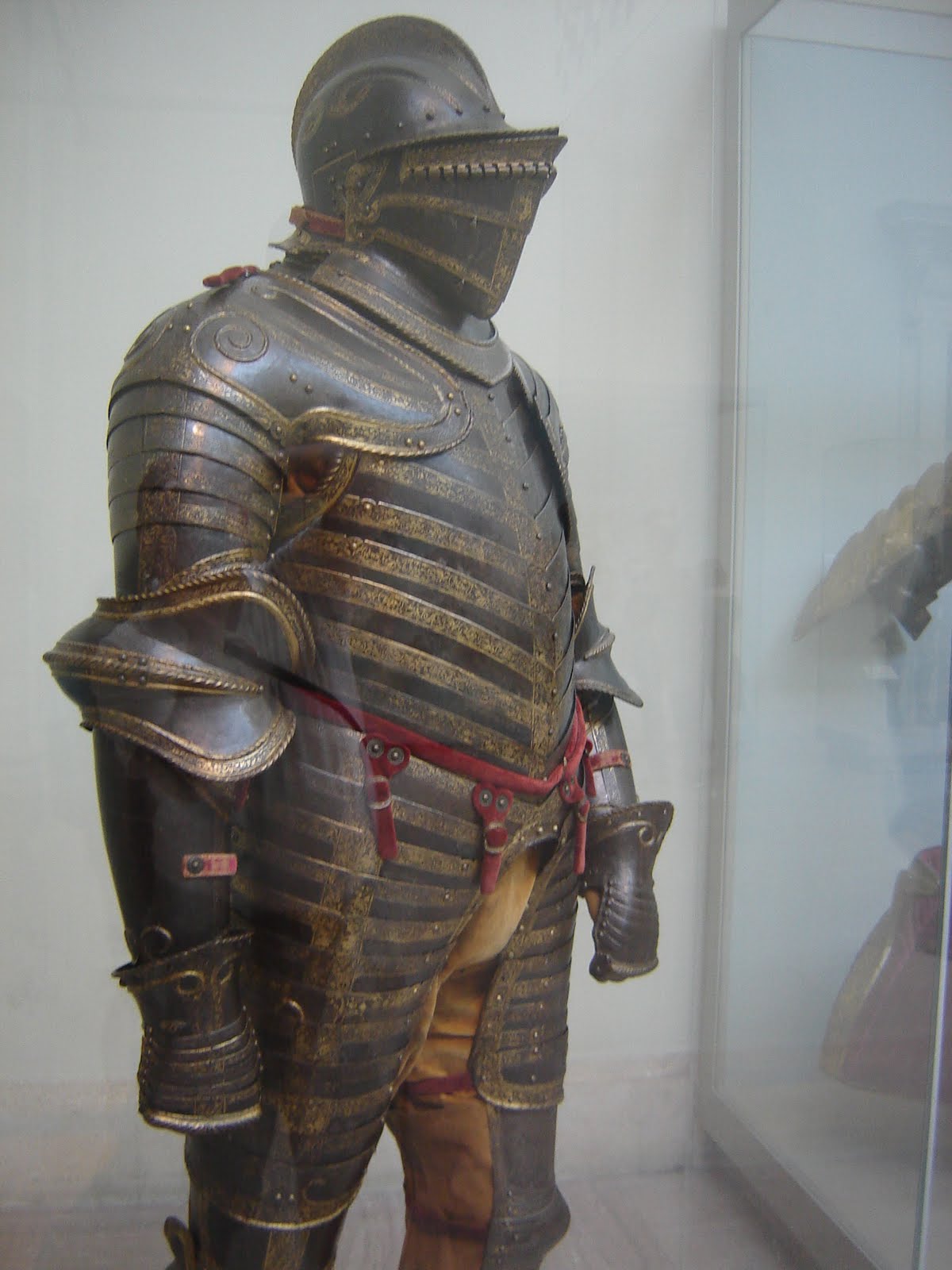
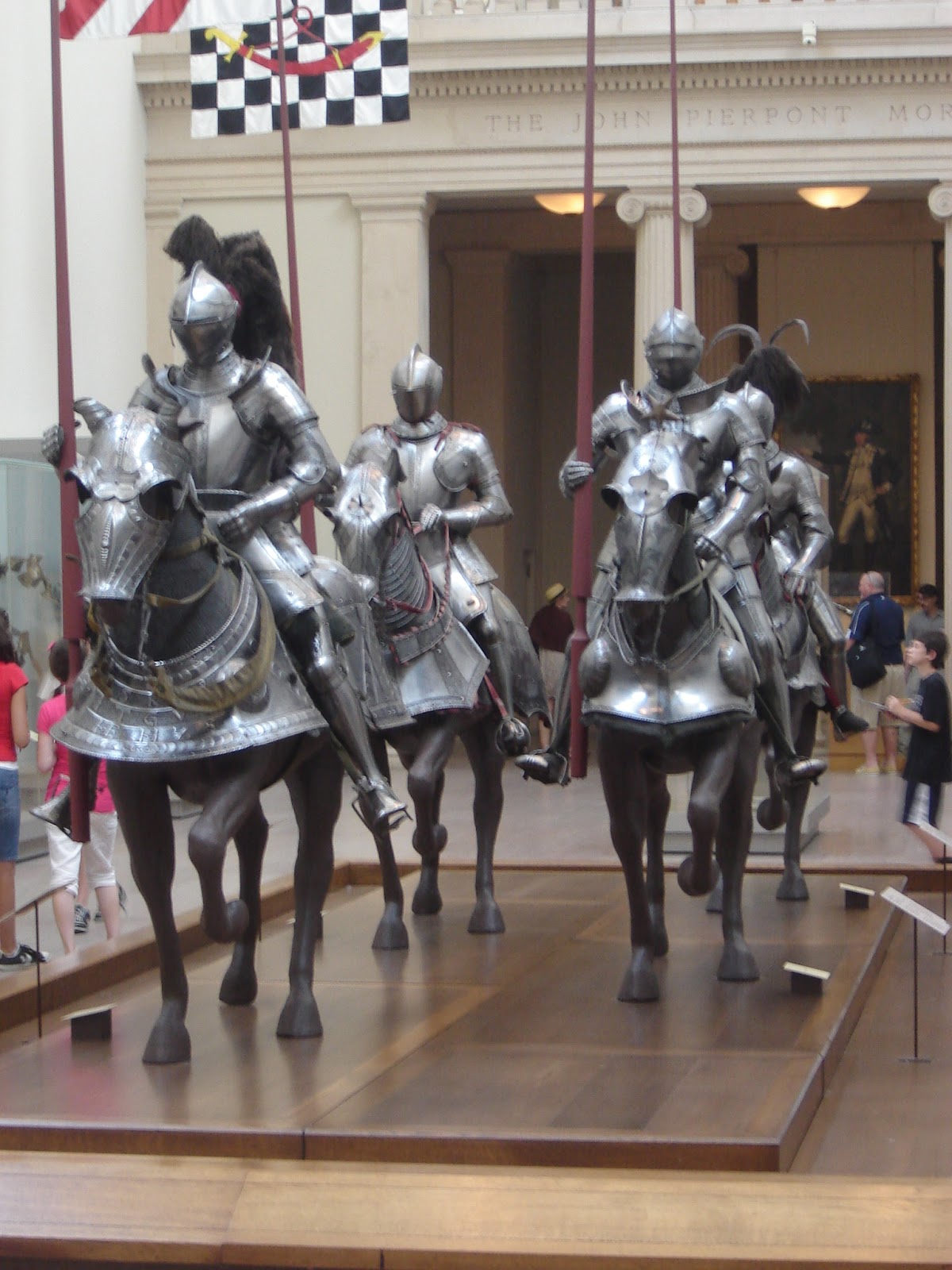
The Armory gallery at the Met, in all it's splendor, with Henry VIII's armor on display.
